
If you require support on any of our products below, please do not hesitate to contact us either by phone or email so we can provide a high level of support
- Rattle Track®
- Rattle Grate®
- Free Flow® curb ramp
- Road Plates
Our products are sometimes known as or also known as rumble tracks, rumble grates, trackout devices, trackout plates and trackout solutions, mud plates, rock plates, street plates and dirt plates.
Avoiding Enforcement Actions
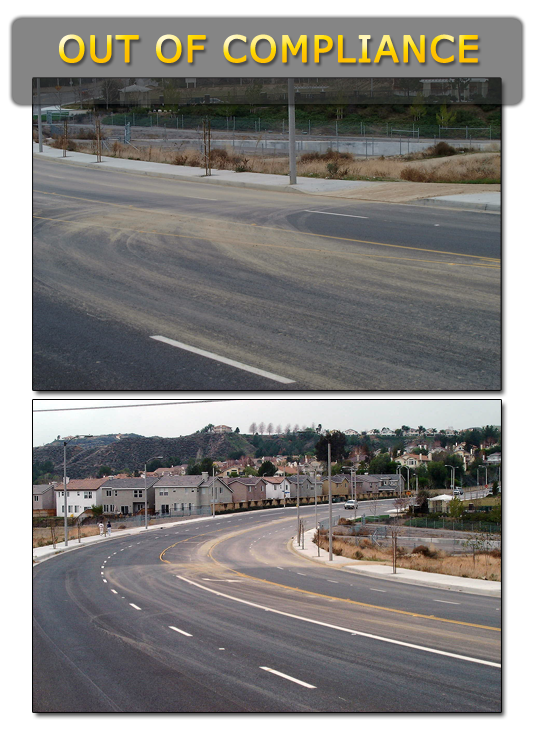
Tracking offsite, one of the biggest sources of public complaint about a construction site, is a way to attract unwanted regulatory scrutiny. Keeping the construction entrance stabilized and clean is an ongoing effort that pays off by giving an impression of good housekeeping on a site.
Based on audits of hundreds of construction sites across the country, here are the regulatory “hot buttons”:
- Inadequate documentation
- Inadequate combination of erosion & sediment control measures.
- Tracking offsite
- Trash and debris onsite
- Poorly managed washouts (concrete, paint and stucco)
- Poorly placed and managed sanitary facilities (Porta-Johns)
- Inadequate BMP maintenance
Inadequate documentation includes the SWPPP or ESCP not current inspections and repairs not documented and training not documented.